Trailer Restacking Services

Trailer problems rarely announce themselves early. Most show up after the truck has already left the dock—when a load shifts, a trailer gets flagged as overweight, or freight no longer meets safety or delivery requirements. That’s where trailer restacking services come in. Not as a quick fix, but as a controlled correction that keeps the rest of the operation from grinding to a halt.


At Murray’s Moving and Storage in Johnston, RI, we treat trailer restacking as precision work. This isn’t just moving freight around until it “looks better.” It’s correcting load issues that affect safety, compliance, scheduling, and downstream distribution. When a trailer is out of balance, rushing only creates new problems. A measured approach restores control and keeps freight moving.

What Trailer Restacking Services Really Address

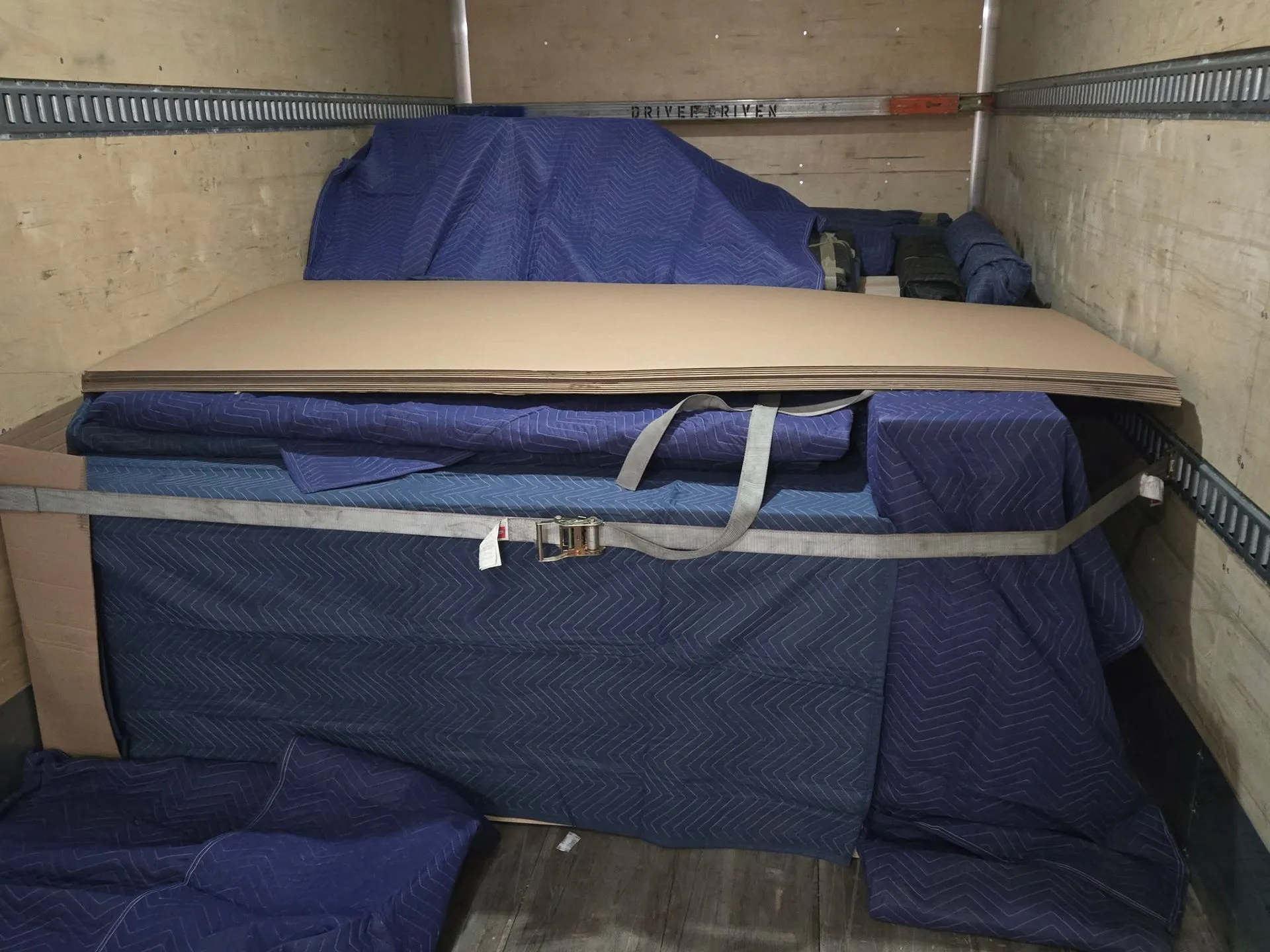
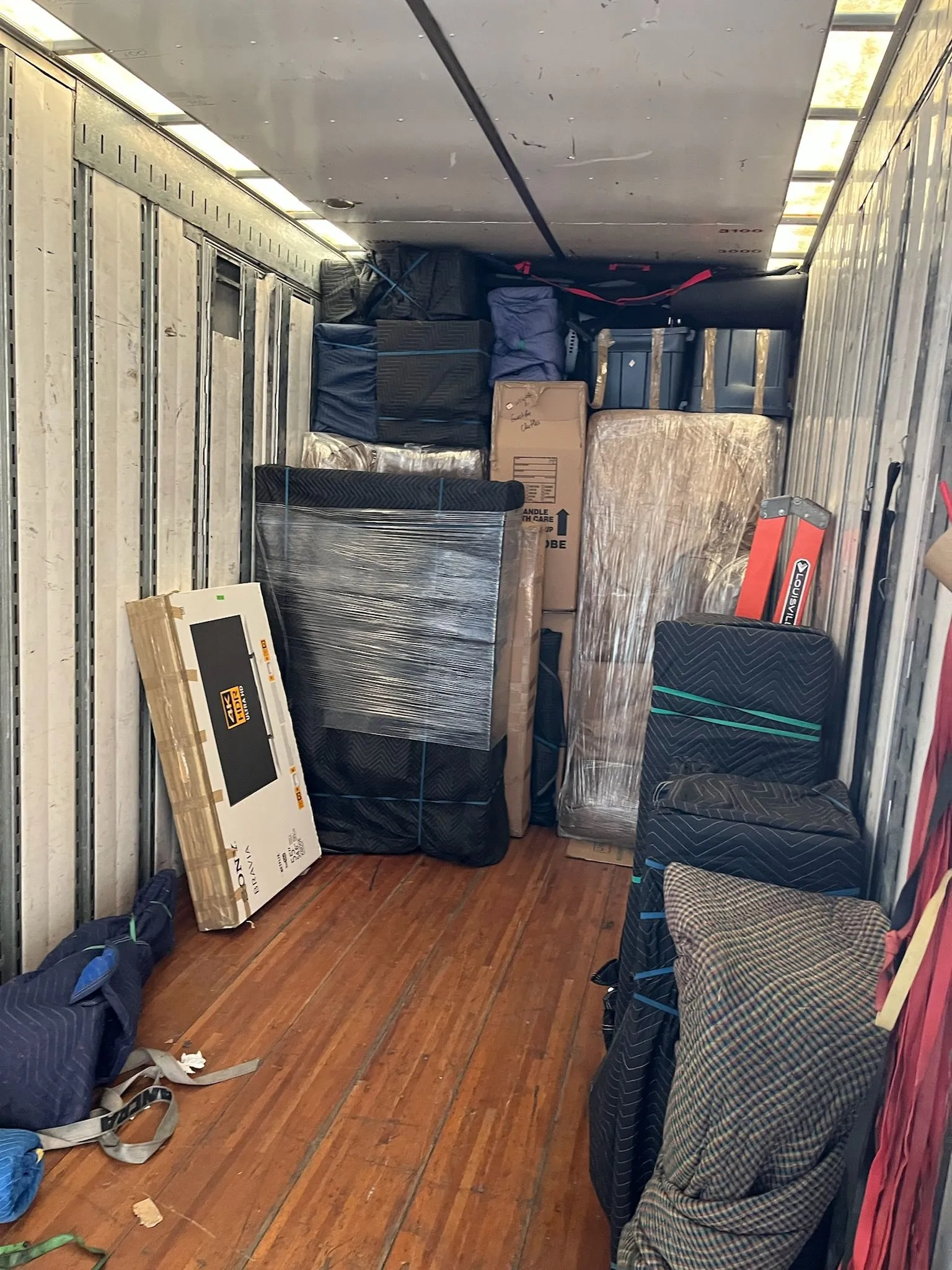
Trailer restacking services focus on fixing how freight is positioned inside a trailer. Sometimes that means redistributing weight. Other times it requires reorganizing pallets or fully unloading and rebuilding the load so it can move safely and legally.


Common situations include:

  • Freight that has shifted during transit
  • Uneven or unsafe weight distribution
  • Overweight trailer conditions
  • Improper pallet placement
  • Load failures discovered at docks or checkpoints


This work goes well beyond basic unloading. Trailer restacking requires an understanding of how freight behaves under motion, how pallets fail, and how small adjustments affect stability. Every change matters.

How Our Trailer Restacking Process Works

Effective restacking starts with assessment. Before anything moves, we identify the root issue. Is the load unbalanced? Are pallets compromised? Is weight concentrated where it shouldn’t be?


Once that’s clear, the process follows a controlled structure:

  • Freight is unloaded selectively or fully, depending on the issue
  • Pallets are inspected for damage or instability
  • Weight is redistributed evenly across the trailer
  • Loads are rebuilt to meet handling and transport standards


In more complex cases, this may involve freight restacking services combined with temporary staging or reconfiguration. The goal isn’t just to fix what’s visible—it’s to prevent the same problem from resurfacing down the line.

Trailer Unloading and Restacking With Purpose

Some load issues can be corrected inside the trailer. Others can’t. Trailer unloading and restacking allows freight to be corrected in a controlled environment instead of forcing adjustments in tight quarters.


This approach is especially important when:

  • Pallets have shifted and lost stability
  • Load integrity has been compromised
  • Freight needs to be reorganized for delivery sequence


Unloading strategically and restacking with intent reduces additional damage and restores safe transport conditions.

Freight Rework Services for Complex Load Problems

Not all issues are obvious at first glance. Some only surface after inspection or a failed delivery. Freight rework services address those situations by correcting how freight is stacked, positioned, or prepared for movement.


This may involve:

  • Rebuilding damaged pallet stacks
  • Adjusting pallet orientation
  • Removing excess weight from specific zones
  • Preparing freight for redistribution or cross-docking


Freight rework isn’t about speed. It’s about accuracy. One rushed adjustment can create another failure further down the route.

Load Restacking Services Focused on Safety

Load issues aren’t just inconvenient—they’re a safety risk. Improper stacking can cause freight to shift during braking, turning, or long-distance travel. Load restacking services are designed to bring trailers back into compliance and reduce risk for drivers and handlers.


That includes:

  • Correcting center-of-gravity problems
  • Addressing uneven axle weight
  • Ensuring pallets are braced and aligned


For high-volume operations, consistent correction prevents delays and reduces costly interruptions.

Cross Dock Restacking and Distribution Flow

In distribution environments, time matters. Loads often need quick correction so freight can continue moving. Cross dock restacking supports this by fixing loads without pulling freight out of circulation longer than necessary.


This is commonly needed when:

  • Inbound freight doesn’t match outbound requirements
  • Loads need to be re-sequenced for delivery routes
  • Pallet configurations don’t meet receiving standards


Combined with distribution center restacking, this keeps freight flowing without sacrificing load integrity.

Warehouse Restacking Services Before Freight Moves On

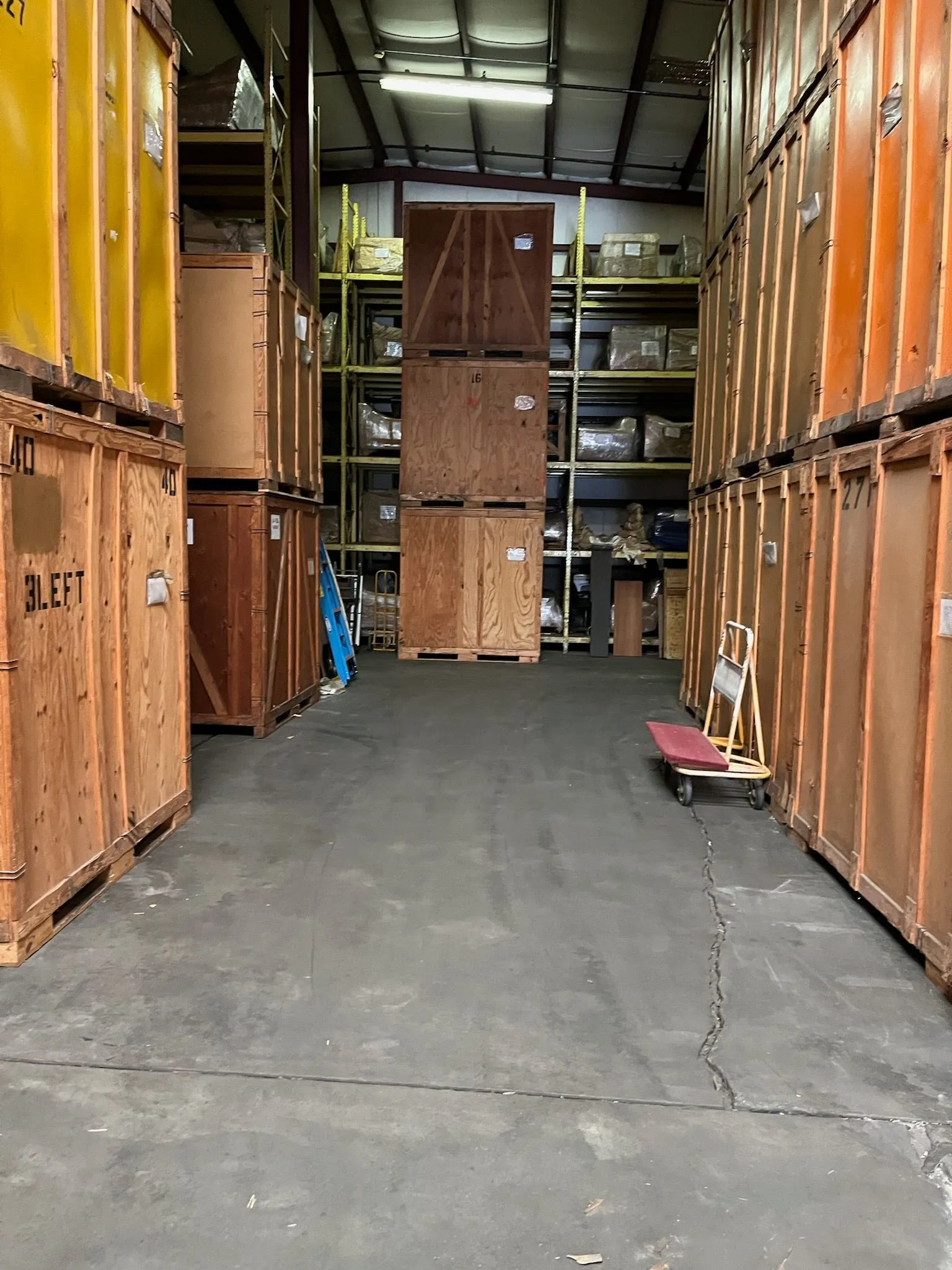
Not every issue happens at the trailer door. Some are discovered in storage or staging areas. Warehouse restacking services correct these problems before freight re-enters the transportation cycle.


This includes:

  • Rebuilding unstable pallet stacks
  • Reconfiguring freight for storage or outbound loading
  • Correcting stacking errors from intake


Fixing these issues early prevents larger failures later.

Shifted Load Correction and Freight Load Correction Services

Loads shift for many reasons—sudden stops, long transit times, uneven stacking, or pallet failure. Shifted load correction restores balance before transport continues.


Our freight load correction services address:

  • Leaning or collapsed pallets
  • Weight concentrated on one side of the trailer
  • Gaps that allow movement during transit


Correcting these problems early protects drivers and prevents repeat incidents.

Overweight and Unbalanced Trailer Restacking

Some situations are urgent. Overweight trailer restacking and unbalanced load restacking are used when a trailer can’t legally or safely continue as loaded.


This may involve:

  • Removing and restacking freight to rebalance weight
  • Reconfiguring pallet placement
  • Coordinating partial unloads


These services are critical when trailers are stopped or flagged before delivery.

Emergency Trailer Restacking When Timing Is Tight

Freight problems don’t always wait for business hours. Emergency trailer restacking restores operability when a trailer can’t move due to safety or compliance issues.


Emergency situations require calm execution. Rushing only increases risk. The focus is stabilizing the load first, then rebuilding it correctly so the trailer can move forward without repeat issues.

Who Trailer Restacking Services Are For

Trailer restacking services are commonly used by:

  • Freight carriers and trucking operations
  • Distribution and logistics providers
  • Warehouses and cross-dock facilities
  • Businesses managing commercial freight


Our commercial trailer restacking services are built for operations that need precision and reliability, not guesswork.

Why Operations Rely on Professional Trailer Rework Services

Most load failures trace back to restacking done without a plan. Professional trailer rework services exist to correct problems without creating new ones.


Customers rely on these services because:

  • Freight is handled deliberately and safely
  • Loads are corrected to prevent repeat issues
  • Compliance and safety standards are restored
  • Operations can resume with confidence


When freight integrity matters, experience matters.

Areas We Serve

We provide moving services throughout the state, with Johnston as our primary service area, along with Providence and all of Rhode Island.

FREQUENTLY ASKED QUESTIONS

  • When are trailer restacking services usually needed?


    They’re most often needed when freight has shifted, loads are unbalanced, or trailers are flagged for safety or compliance issues. They’re also common when loads don’t meet delivery requirements at docks.


  • What determines whether a trailer needs partial or full restacking?


    The condition of the freight, severity of the load issue, and safety risk all factor in. Some situations require minor correction, others need a full unload and rebuild.


  • Is restacking only for damaged freight?


    No. Freight can be undamaged but still improperly distributed in a way that creates risk. Restacking corrects placement, not just damage.


  • How long does trailer restacking typically take?


    Timing depends on load size, complexity, and whether full unloading is required. Each situation is assessed before work begins.


  • Can restacking help prevent future load problems?


    Yes. Proper pallet placement, weight distribution, and bracing significantly reduce the chance of shifting and repeat failures.


Get Started With Professional Trailer Restacking Services

Trailer load problems don’t resolve themselves—and rushing a correction usually makes things worse. If you need trailer restacking services handled with experience, control, and clear accountability, our team is ready to help. Reach out to Murray’s Moving and Storage to discuss your situation and determine the right next step.